Mechanical Engineering
Comprehensive Mechanical & Piping Systems
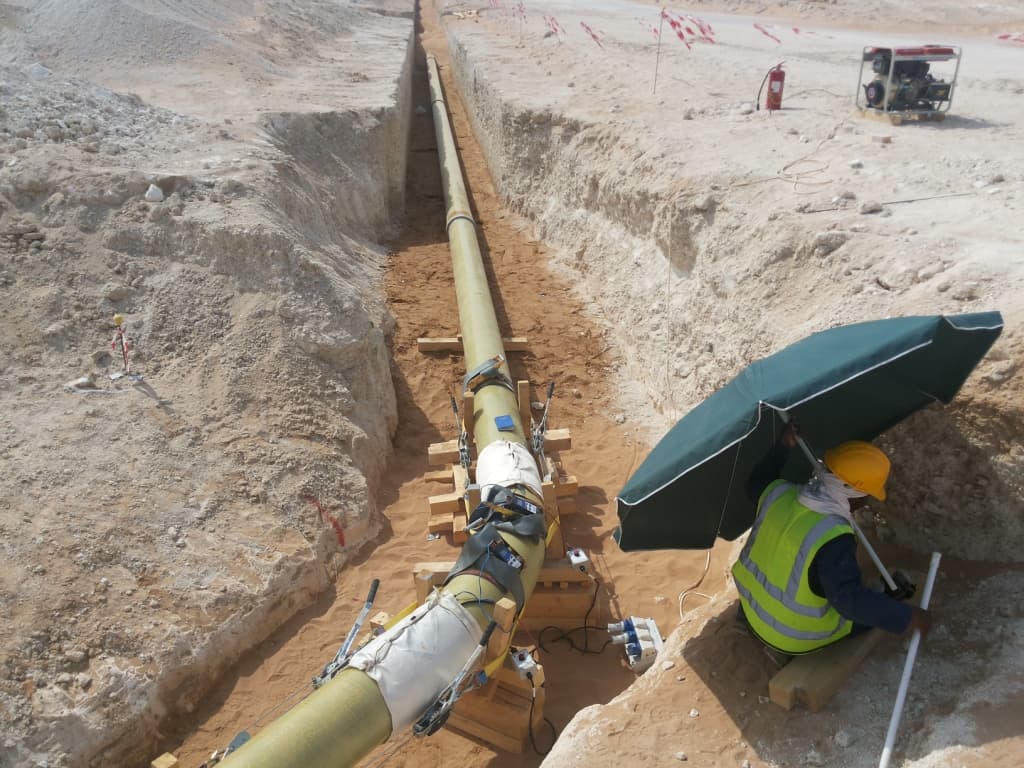
The Mechanical Service encompasses all process and power piping, buried or above ground piping / pipeline, pressure vessels, boilers, tanks and many more. The piping may be subject to a feasibility study or studies during the design phase, but even more challenging are those piping systems that are part of the revamp of an existing plant (brown field) to maximize output.
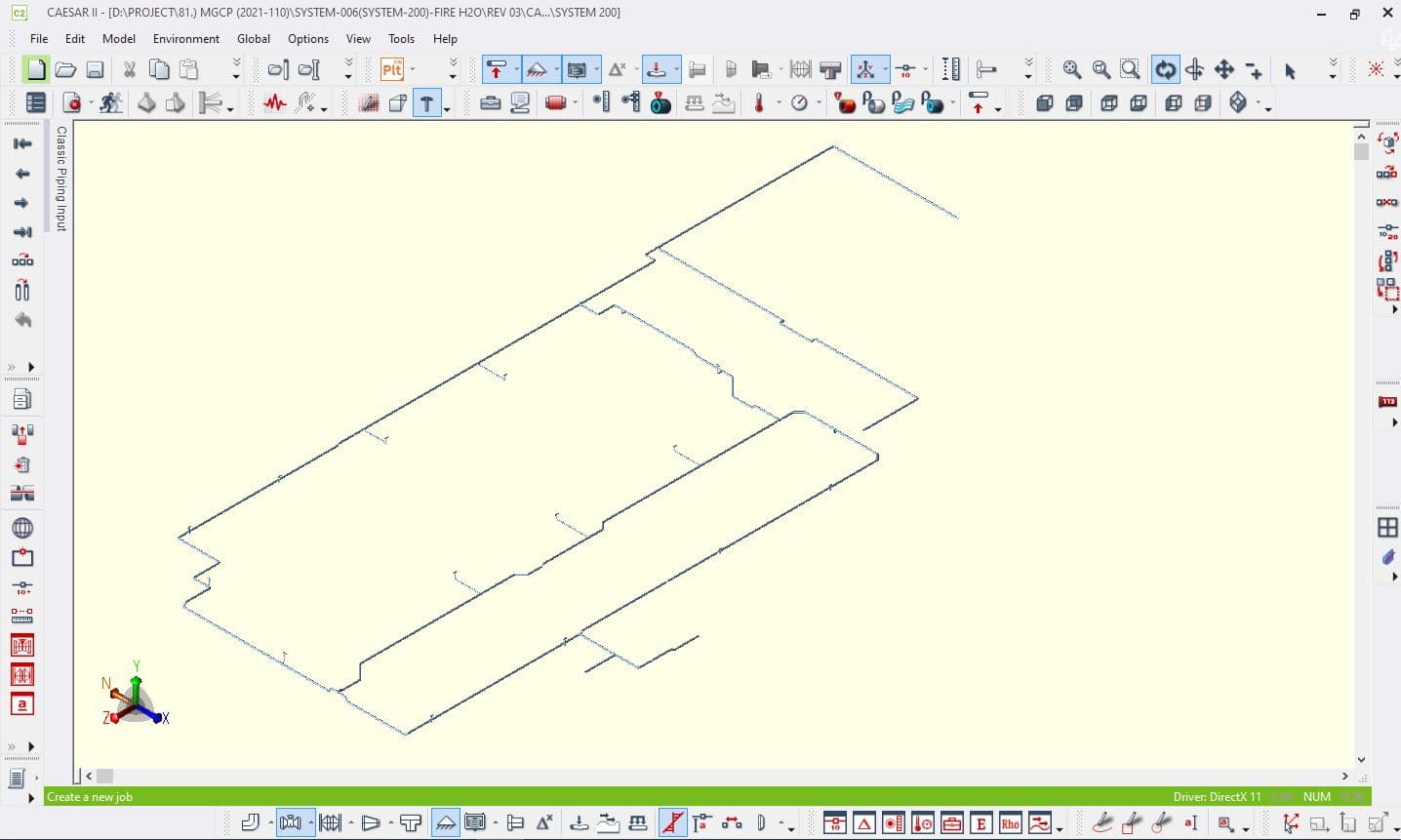
Static Analysis & Flexibility Study
Korean Techno Inspection Engineering team conducts piping flexibility assessments of piping / Pipeline systems using the software Caesar II. In our studies attention is paid to pipe stress, nozzle loads, flange loads and support loads. Special attention will be paid to the support configuration and supporting structure should large loads be unavoidable.
We conduct assessments in conformance with industry standard American ASME B31 design codes and ISO 14692 for fiberglass. Our engineers are adept at taking special conditions into account, such as buried piping, offshore plants, or cold service evaluations.
Dynamic Analysis
If there is a risk of dynamic forces on the piping, then these should also be considered at the design stage. Dynamic excitation can be either mechanical, such as direct forcing by vibrating equipment or seismic activity, or fluid driven such as pulsations or water hammer.
Model analysis: Starting point to determine mechanical eigenmodes (resonance modes).
Cyclic Loading: Consideration of fatigue failure periodic loading at given frequencies.
Worst Case: Time history analysis for single event loading like water hammer or pressure surges.
Pressure Vessels & FEA
We perform Finite Element Analyses (FEA) and assessments according to ASME VIII-2 Part 5 or EN 13445-3 using software packages PV-Elite, ANSYS and FEA Pipe. This is crucial for cyclic thermal loading or complex nozzle geometries.
Key FEA Steps
- Step 1: Thermal Loading Determination
- Step 2: Stress Categorization (Primary/Secondary)
- Step 3: Technical Reporting & Review
Components & Specials
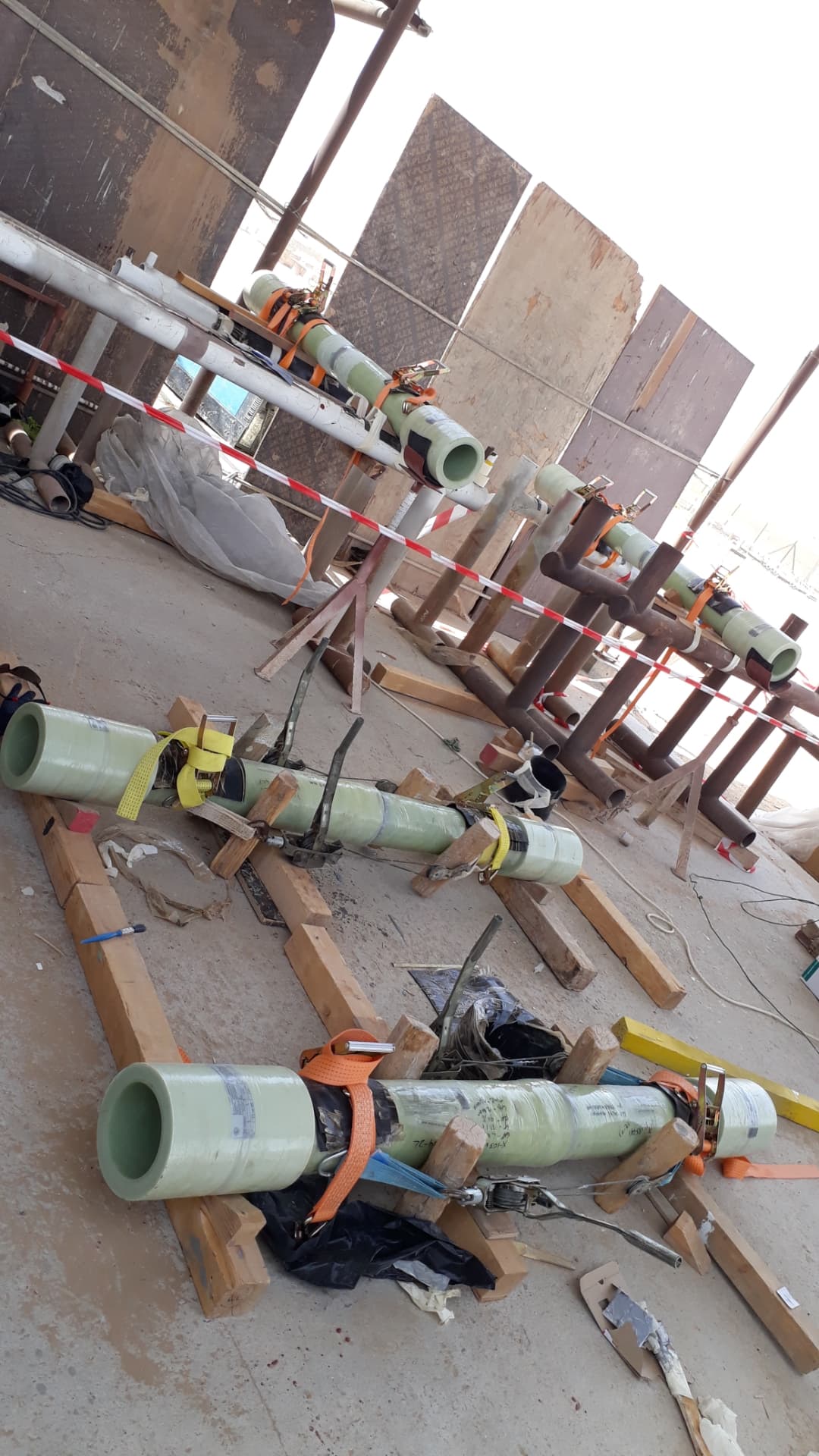
Detailed analysis of a flange connection using FEA can provide an understanding of whether a flange will leak under specific thermal expansions and temperature gradients.